
I’ve watched more than one guest stand at Jomo Kenyatta International Airport, holding a confiscated duty-free bag, wondering what just happened. This is the Kenya plastic bag ban tourists run into most often, a law that has been in effect since 2017 and still catches first-time visitors off guard almost every week. Let’s clear up what’s actually banned, what the fines really mean for tourists, and what to pack instead.
When Kenya Banned Plastic Bags
Kenya introduced its plastic bag ban on August 28, 2017. The law, enforced by the National Environment Management Authority (NEMA), banned the manufacture, sale, and use of plastic carrier bags anywhere in the country. It was one of the strictest bans in the world at the time.
Then in June 2020, Kenya added a second layer. This one targets single-use plastics inside protected areas: national parks, national reserves, beaches, forests, and conservancies. That includes places like the Masai Mara National Reserve, Amboseli National Park, and Tsavo East. This rule covers plastic bottles, straws, cutlery, and disposable plates, not just bags.
So there are technically two bans stacked on top of each other. The 2017 bag ban applies everywhere in Kenya, including Nairobi streets and your hotel room. The 2020 rule applies specifically once you cross into a gazetted protected area on safari.
What’s Actually Banned (and What Isn’t)
Here’s where most blog posts get vague. Let’s be specific.
Banned nationwide since 2017:
- Plastic carrier bags, including the thin ones used for shopping and packaging
- Flat plastic bags used to wrap goods
Banned inside parks and reserves since 2020:
- Single-use plastic water bottles
- Plastic straws
- Plastic cutlery and plates
- Plastic bags of any kind (this overlaps with the 2017 rule)
Not banned:
- Ziplock-style reusable freezer bags, when they’re clearly reused rather than single-use packaging. Camps and rangers generally treat a ziplock bag holding your camera battery or first aid kit as personal gear, not contraband. Nobody has ever confiscated one from our guests.
- Toiletry bags, dry bags, and any bag you’re keeping and reusing, not discarding.
- Reusable plastic water bottles like a Nalgene or a hard-sided Contigo.
The distinction NEMA cares about is single-use versus reusable. A crinkly shopping bag you’ll throw away is the problem. A sturdy bag you’ll carry home is not.
The Fine Print: Penalties and Real Enforcement
On paper, the penalties are severe. Kenya’s Environmental Management and Coordination Act sets fines of up to KES 4 million (roughly USD 40,000) or up to 4 years in prison, or both, for manufacturing, selling, or using banned plastics.
In practice, this law was built to target manufacturers, importers, and large retailers, not tourists carrying a spare shopping bag in a suitcase. In nine years of running trips across Kenya, I have never seen a tourist fined under this law. What I have seen is confiscation. Airport staff and park rangers will take the offending bag and let you continue on your way.
That said, don’t treat the ban as a joke. NEMA has run genuine crackdowns, and enforcement has tightened at entry points since 2020. The safest approach is simply not to carry single-use plastic bags at all.
Kenya Plastic Bag Ban Tourists: Where the Real Trouble Happens
The real friction point isn’t a roadside checkpoint in the Mara. It’s Nairobi’s airport.
At JKIA, duty-free shops still sometimes hand out plastic bags with your perfume or whisky purchase, because international transit rules occasionally exempt sealed duty-free items. But once you leave the airport, that bag can get pulled at the exit or at your first park gate. We’ve had guests lose a nice duty-free bag (never the contents) right at the Nairobi National Park gate on their first game drive.
The fix is easy: ask the duty-free cashier to skip the bag, or transfer your purchase into your own cloth or paper bag before you leave the terminal.
What to Pack Instead
This is the part that actually matters for your trip. Swap plastic for these alternatives before you fly.
| Instead of | Pack this | Approx. cost | Where it helps most |
|---|---|---|---|
| Plastic shopping bags | Foldable cloth or jute tote | USD 5-12 | Markets in Nairobi, Karen, or Nakuru |
| Single-use water bottles | Refillable steel or hard-plastic bottle (1L) | USD 10-25 | All parks and reserves, refill stations at most camps |
| Ziplock bags for electronics | Reusable silicone or fabric dry bag | USD 8-15 | Dusty game drives on the Mara or Amboseli tracks |
| Plastic laundry bags | Mesh packing cube or cloth laundry sack | USD 6-10 | Multi-camp itineraries with frequent repacking |
| Disposable cutlery | A compact travel cutlery set | USD 5-8 | Picnic lunches and bush breakfasts |
Most of our partner camps in the Mara Triangle and around Amboseli now supply refillable water bottles at check-in and keep filtered refill stations in the mess tent. It’s worth confirming this with your camp before you fly, the same way you’d confirm another rule worth confirming before you pack, since both affect what lands in your suitcase.
If you’re worried about drinking water quality once you switch away from bottled water, we’ve written a full guide on using reusable water bottles instead of plastic on safari, covering exactly where it’s safe to refill and where to stick to filtered options.
How Kenya’s Ban Compares to Its Neighbors
If your itinerary crosses borders, the rules shift from country to country.
| Country | Bag ban status | Single-use plastics in parks | Typical fine range |
|---|---|---|---|
| Kenya | Nationwide since 2017 | Banned since 2020 | Up to USD 40,000 or 4 years |
| Rwanda | Nationwide since 2008 (one of the earliest) | Banned nationwide | Fines plus possible bag confiscation at every border |
| Tanzania | Nationwide since 2019 | Enforced at Serengeti and Ngorongoro gates | Bags confiscated, fines rarer for tourists |
| Uganda | Nationwide since 2018 (patchy enforcement) | Enforced in Bwindi and Queen Elizabeth NP | Confiscation more common than fines |
| Botswana | Nationwide since 2018 | Enforced in Okavango Delta camps | Small fines, mostly retailer-focused |
Rwanda has the strictest reputation. Border officials there will open your bags and remove plastic on the spot, even at Kigali airport. Kenya’s approach is more relaxed for visitors in practice, though the law on the books is just as tough.
The Valley Safaris Difference
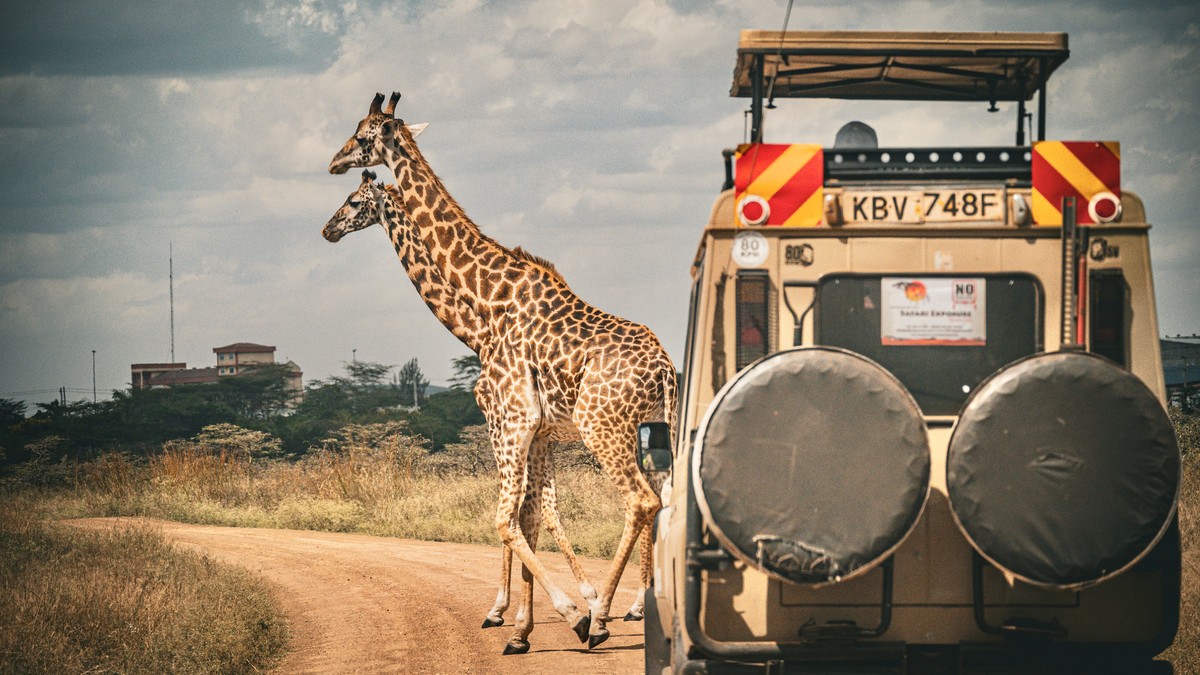
We pack every guest’s welcome kit with a refillable steel water bottle, not a case of plastic bottles. Our guides carry cloth bags for picnic setups instead of disposable ones, and our vehicles keep a stash of dry bags for camera gear on dusty routes through Amboseli and the Mara.
We also brief every guest before departure on what’s genuinely fine to bring, so nobody loses a favorite toiletry bag to an overzealous ranger who misunderstood it as single-use. That briefing is part of a wider pre-trip checklist we run through with every traveler, alongside sorting out your pre-trip logistics like cash, cards, and park fees.
It’s a small thing, a water bottle and a cloth bag, but it reflects how we plan everything else. We’d rather solve the annoying details before you land than have you learn them the hard way at a park gate.
Ready to Plan Your Kenya Safari?
The plastic bag rule is one small piece of getting your Kenya trip right. If you’d like help with the rest, from park fees to camp selection to what else to pack, get in touch with Valley Safaris and let’s plan your safari together.